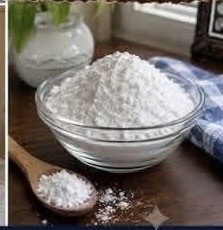
Baking soda is a common household ingredient that has become popular in homemade skincare routines. Online beauty posts often suggest using baking soda on the face to reduce dark spots, wrinkles, and dark circles. While baking soda can be useful for some household and personal-care purposes, it is important to understand that it is not a proven treatment for signs of aging or pigmentation.
Baking soda, also known as sodium bicarbonate, is an alkaline powder. Because of its mildly abrasive texture, some people use it as a homemade exfoliant. However, facial skin is delicate, and applying baking soda directly to the skin can sometimes cause dryness, irritation, redness, or a damaged skin barrier.
Can Baking Soda Remove Dark Spots?
Dark spots can develop for many reasons, including sun exposure, previous acne, inflammation, hormonal changes, and natural aging. Although baking soda is sometimes promoted online as a natural solution for hyperpigmentation, there is not strong evidence that applying baking soda to the face can safely remove dark spots.
In fact, excessive exfoliation can sometimes make pigmentation more noticeable, particularly if the skin becomes irritated. For this reason, baking soda should not be considered a reliable dark-spot treatment.
A better approach is daily sun protection and skincare ingredients that have been studied for uneven skin tone. Products containing ingredients such as vitamin C, niacinamide, azelaic acid, or retinoids may be more appropriate depending on your skin type and concerns.
What About Wrinkles?
Wrinkles are a natural part of the aging process. They develop as the skin gradually loses collagen and elasticity, while repeated facial movements and long-term sun exposure can contribute to visible lines.
Baking soda cannot restore lost collagen or reverse the biological processes responsible for wrinkles. Using it as a facial scrub may temporarily make the skin feel smoother because of surface exfoliation, but this should not be confused with actually reducing wrinkles.
For people concerned about fine lines, a gentle skincare routine that includes moisturizer and broad-spectrum sunscreen is a much better starting point. Retinoid-based products are also among the more established topical options for improving the appearance of fine lines over time.
Can Baking Soda Reduce Dark Circles?
Dark circles under the eyes can have many causes. Genetics, thin skin, lack of sleep, allergies, dehydration, aging, and shadows caused by facial structure can all contribute to their appearance.
The skin around the eyes is particularly thin and sensitive. Applying baking soda to this area may cause irritation and should therefore be avoided. It is especially important not to allow baking soda mixtures to enter the eyes.
Instead, focus on adequate sleep, gentle moisturizing, sun protection, and addressing allergies or other underlying factors when appropriate.
If You Still Want to Use Baking Soda
If you are considering baking soda for skincare, avoid applying concentrated baking soda directly to your face or using it as a harsh scrub.
Before trying any new homemade skincare preparation, perform a small patch test on an inconspicuous area of skin. Do not use it on broken, irritated, sunburned, or recently shaved skin.
Never scrub aggressively. Physical abrasion can cause tiny areas of irritation and may worsen redness or pigmentation.
If burning, itching, swelling, or significant redness develops, rinse the area thoroughly with lukewarm water and discontinue use.
A Better Simple Skincare Routine
You do not need complicated ingredients to support healthier-looking skin. A simple routine can be more beneficial than experimenting with harsh homemade treatments.
In the morning, gently cleanse the skin if needed, apply a moisturizer suited to your skin type, and finish with a broad-spectrum sunscreen. Sun protection is particularly important when dealing with dark spots because ultraviolet exposure can make pigmentation darker and harder to manage.
At night, cleanse gently and apply a moisturizer. If you want to address specific concerns such as uneven pigmentation or fine lines, consider introducing a well-studied skincare ingredient gradually rather than using abrasive kitchen ingredients.
Natural Does Not Always Mean Gentle
One of the biggest misconceptions about homemade skincare is that natural ingredients are automatically safe for the face. The skin has a natural protective barrier, and ingredients with inappropriate pH levels or abrasive properties can disrupt it.
Baking soda is designed primarily as a food and household product, not as a facial skincare treatment. Its alkaline nature differs from the skin’s naturally acidic environment. Frequent application may therefore be unsuitable for sensitive or dry skin.
Final Thoughts
Baking soda is often advertised online as a quick solution for dark spots, wrinkles, and dark circles, but these claims should be approached with caution. There is no good evidence that baking soda can eliminate wrinkles or permanently remove facial pigmentation, and applying it to sensitive facial skin may cause irritation.
For healthier-looking skin, prioritize gentle cleansing, regular moisturizing, adequate sun protection, and evidence-based skincare ingredients. If a dark spot changes in size, shape, or color, or if you have persistent skin concerns, consult a dermatologist rather than attempting to treat it with homemade remedies.
A simple and consistent skincare routine is usually a better choice than harsh DIY treatments. Your skin does not need aggressive scrubbing to look healthy—it needs gentle care, protection, and patience.